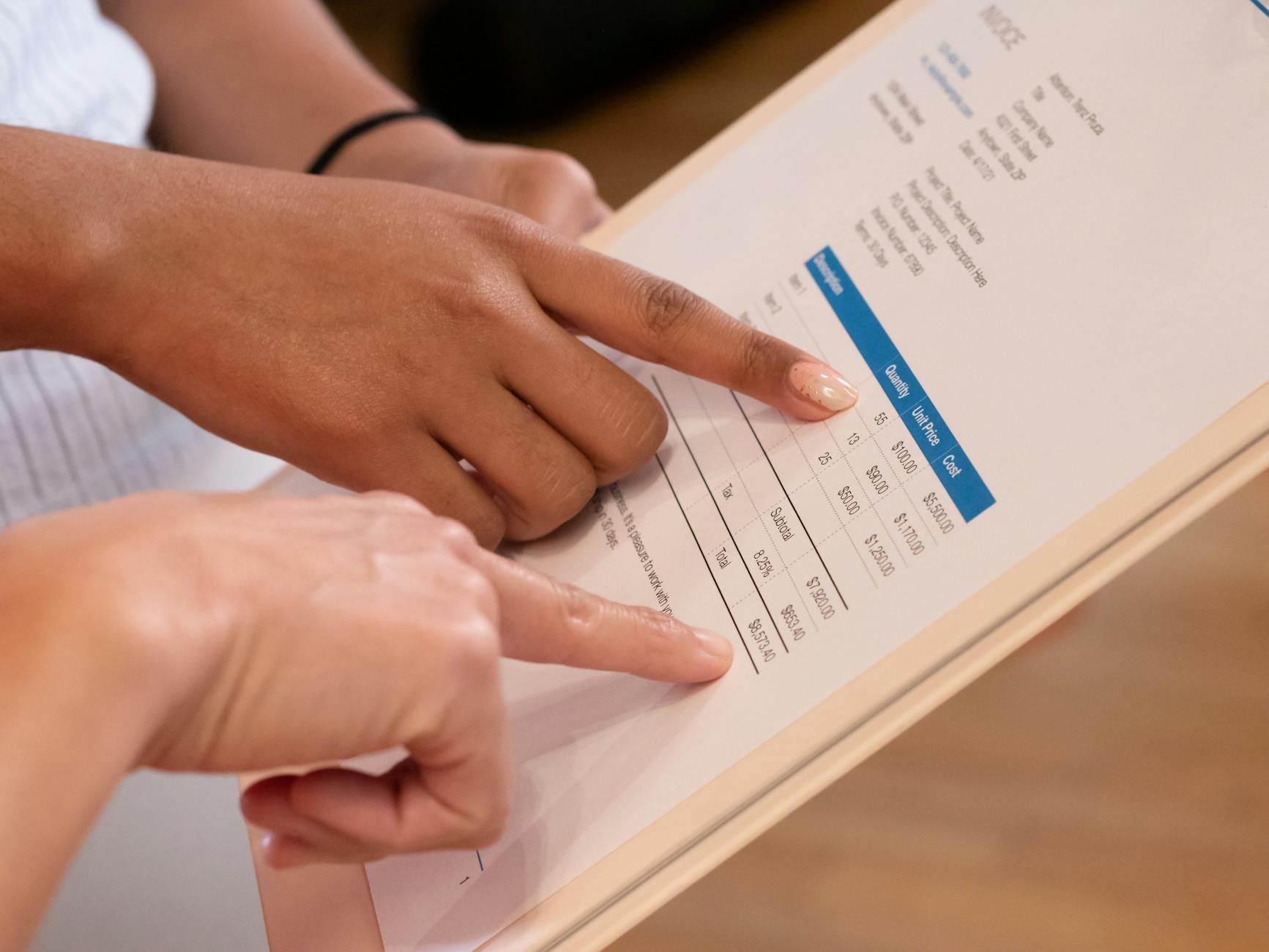
Understanding E-Invoicing in the UAE: Your Key to Compliance (What it is, why it matters, and who it affects)
E-invoicing, at its core, represents a significant leap from traditional paper-based or even PDF-based invoicing to a fully digital, structured format. In the UAE, this isn't just about convenience; it's becoming a cornerstone of fiscal compliance and operational efficiency. Instead of merely sending an image or a document, e-invoicing involves transmitting invoice data directly between supplier and buyer systems in a machine-readable format – often XML or JSON. This standardized approach minimizes errors, speeds up processing, and provides a clear audit trail for tax authorities. Understanding this transition is crucial for businesses aiming to streamline their financial operations and ensure they meet forthcoming regulatory requirements, particularly as the UAE aligns with global best practices in digital taxation.
The implications of e-invoicing in the UAE are far-reaching, affecting a wide spectrum of businesses. Primarily, it matters for two key reasons: enhanced transparency for tax authorities and streamlined business processes. For the government, it offers a powerful tool to combat tax evasion and ensure accurate VAT collection. For businesses, the benefits include faster payments, reduced administrative costs, and improved data accuracy. While specific mandates are still being finalized, it's anticipated that e-invoicing will initially target:
- Large corporations and multi-national entities
- Businesses engaged in B2G (Business-to-Government) transactions
- Sectors prone to high volumes of transactions, such as retail and logistics
Practical Steps for UAE E-Invoicing: From Setup to Smooth Operations (How to get started, common challenges, and FAQs)
Embarking on UAE E-invoicing, particularly with the upcoming Federal Tax Authority (FTA) mandates, requires a structured approach. Your journey should ideally begin with a thorough assessment of your current invoicing processes and the identification of a suitable E-invoicing solution. This involves evaluating various software vendors, considering factors like integration capabilities with your existing ERP or accounting systems, scalability, and compliance with FTA regulations. Key initial steps include obtaining a Tax Registration Number (TRN), if you haven't already, and understanding the specific data fields and formats required for compliant E-invoices. Many businesses find success by piloting the new system with a small subset of transactions before a full rollout, allowing them to iron out any kinks and train their teams effectively.
While the benefits of E-invoicing are substantial, businesses often encounter common challenges during implementation. One significant hurdle is data migration and ensuring data accuracy, as incorrect or incomplete data can lead to validation failures and delays. Another frequent issue is integrating the E-invoicing system with disparate existing systems, which can sometimes require custom development or the use of middleware. Furthermore, businesses must address the human element: resistance to change and the need for comprehensive staff training on new workflows and software. Overcoming these challenges often involves meticulous planning, engaging experienced consultants, and prioritizing clear communication with all stakeholders. Don't forget to establish a robust support system for ongoing queries and technical issues to ensure smooth, uninterrupted operations post-implementation.